How to Dress for Your Body Type: A Guide to Proportion and Fit
Dressing for your body type comes down to fit, proportion and what you want to highlight. Optional shape guides for women and men.
Atricent team9 min read
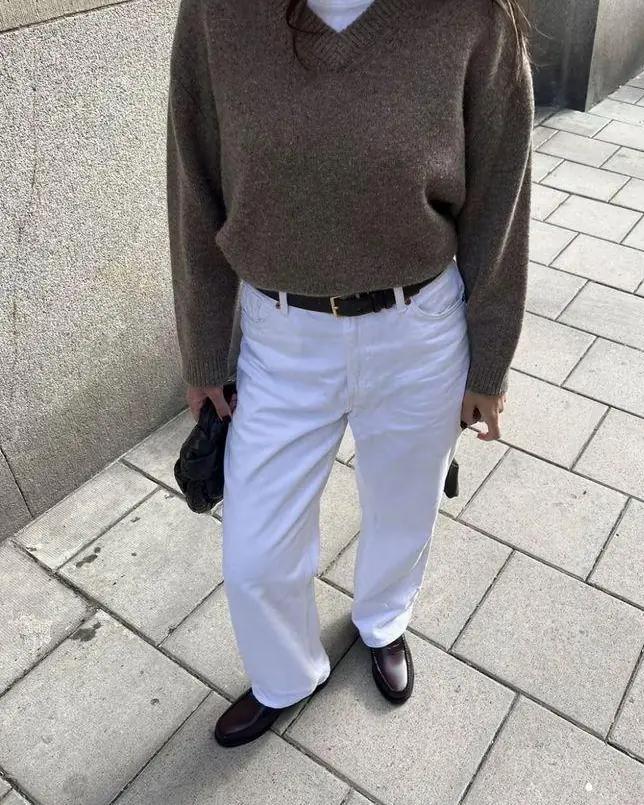
To dress for your body type, start with fit, then play with proportion: decide which part of you, or which part of the outfit, you want people to notice, and build around it. Clothes that fit your shoulders, waist and length well will do more than any shape rule. The easiest way to try this with clothes you already own: add them to Atricent, ask its AI stylist for an outfit built around what you'd like to show, and preview it on a photo of you. Body-type guides can give you ideas to try, but the best guide is how you feel in the clothes.
There's nothing to fix here. Every body is a good body to dress. This guide is about getting clothes to work for you: understanding proportion, finding the fit details that matter, and using a few optional shape guides as starting points, for women and men.
Start with fit
Fit matters more than shape. A simple outfit that fits well usually looks better than a carefully planned one that pulls, gaps or drags.
What good fit looks like
- Shoulders: the seam sits at the edge of your shoulder, unless the piece is designed to be dropped or oversized.
- Chest and buttons: a shirt or blazer closes without pulling into creases across the buttons.
- Waist: trousers and skirts sit where they're meant to without digging in or gapping at the back.
- Sleeves: long sleeves end around the wrist bone; a jacket sleeve shows a little shirt cuff if you wear one.
- Length: trousers end where you planned for the shoes you'll wear with them. Hems, sleeves and jacket lengths are the cheapest fixes a tailor makes.
- Comfort: you can sit, reach and walk without adjusting. If you're tugging at it all day, it doesn't fit, whatever the label says.
Ignore the size label
Sizes vary a lot from brand to brand, and even within one brand. Buy for the measurement that's hardest to alter (usually shoulders for tops and jackets, hips or waist for trousers) and tailor the rest. Many brands offer petite, tall, curve or long-inseam cuts, which often fit better than a heavily altered standard size.
Proportion: the idea behind every guide
Proportion is how the parts of an outfit relate to each other: top to bottom, fitted to loose, light to dark. Most body-type advice is really proportion advice, and you can use it without putting yourself in any category.
Balance volume
Pairing a fitted piece with a loose one is the easiest way to get a balanced look: a fitted top with wide trousers, or an oversized sweater with slim jeans. Loose on loose and fitted on fitted both work too. They just give a different effect, more relaxed or more streamlined.
Choose where the waist sits
Where you mark your waist changes how long your legs and torso look. A high-rise trouser with a tucked top makes legs look longer. A dropped or untucked line makes the torso look longer. Neither is better; pick the effect you want.
Use color and line
- One color, or close shades, from top to shoe creates a long, unbroken line.
- A contrast at one point (a belt, a bright top, a light shoe) draws the eye there.
- Vertical lines, such as an open long coat, a V-neck or a front seam, carry the eye up and down.
- Horizontal lines, such as a wide stripe or a cropped hem, carry the eye across.
Decide what you want to emphasize
This is the most useful question in the whole guide. Do you want to show your shoulders, your waist, your legs, your collarbones? Put the interesting detail there: a neckline, a belt, a hemline, a color. Keep the rest simpler so that detail stands out.
Try proportions with your own clothes in Atricent
You don't need new clothes to test any of this. The pieces that already fit you well are the place to start.
- Add your clothes. Upload photos of your clothes, shoes and accessories, and the AI builds your digital wardrobe.
- Say what you'd like to emphasize. Ask the AI stylist something like "a long, easy line for work" or "an outfit that shows my shoulders," and it answers with your own clothes.
- Try a different balance. Let the AI outfit creator pair fitted and loose pieces you own, or build and save combinations yourself.
- Preview on you. Use virtual try-on to see an outfit on a photo of you, then save the ones you feel good in.
It's free to start on iPhone, Android and the web. Get Atricent free and see what your favorite pieces can do.
Shape guides as optional starting points
Many guides sort bodies into shapes. They can be a useful shortcut for ideas, but bodies don't sit neatly in boxes, and you don't need to identify with any of these. Skim for ideas you'd like to try and skip the rest.
If your shoulders and hips are about the same width, with a defined waist
Often called an hourglass shape.
- Wrap dresses, belted coats and tucked tops follow your waist if you want to show it.
- High-rise straight or wide-leg trousers keep the line long.
- Stretch fabrics and knits follow your shape; crisp fabrics skim it.
If your hips are wider than your shoulders
Often called a pear or triangle shape.
- Detail up top (a boat neck, puff sleeves, a print or a bright color) brings the eye up if that's where you'd like it.
- A-line skirts and wide-leg or bootcut trousers move easily over the hips.
- Cropped jackets that end at the waist show where it sits.
If your shoulders are wider than your hips
Often called an inverted triangle.
- V-necks and scoop necks open up the neckline.
- Wide-leg trousers, full skirts and pleats add volume below if you want balance.
- Simple, close-fitting tops let a bold skirt or trouser take the lead.
If your shoulders, waist and hips are fairly even
Often called a rectangle or straight shape.
- Belts, peplums and tucked tops add a waist if you want one.
- Straight, boxy and oversized shapes look intentional and easy.
- Layering (a shirt under a knit, a long coat over both) adds depth.
If you carry more volume through the middle
Often called a round or apple shape.
- Empire waists, wrap tops and open layers create long vertical lines.
- Straight-leg and wide-leg trousers with a flat front feel comfortable and look clean.
- Necklines and statement earrings put the focus near your face if that's what you'd like.
Fit notes by height and size
Petite
- Look for petite cuts, which often shorten the rise, sleeves and shoulders as well as the length.
- High-rise trousers and tucked or cropped tops make the most of leg length.
- Smaller-scale prints and details stay in proportion with your frame.
- Shoes with a little height, or a shoe in the same color as your trousers, extend the line if you want that.
Tall
- Check inseams and sleeve lengths first. Tall or long cuts save a lot of tailoring.
- Longer jackets, maxi skirts and wide-leg trousers sit well on a longer frame.
- Cropped lengths look intentional when they're clearly cropped, not just short.
Curvy and plus sizes
- Curve-fit cuts add room through the hip and thigh so the waistband sits flat.
- Structured fabrics and tailoring hold their shape and feel polished.
- Every idea in this guide works at every size. Belt, tuck, crop or go loose because you like it, not because you should.
Dressing for your body type as a man
The same ideas apply. Fit and proportion do most of the work.
- Shoulders first: buy shirts, jackets and knits that fit the shoulders, then tailor the waist and sleeves.
- Trouser break: a small break or no break looks cleaner; a long pooled hem makes trousers look too big.
- Broader shoulders and chest: stretch in shirts helps; straight or relaxed trousers balance a strong upper body.
- Narrower frame: layers such as an overshirt, a crewneck over a collar or a textured jacket add depth.
- More volume through the middle: darker tops, open layers and trousers with a slightly higher rise sit comfortably and keep a long line.
- Shorter or taller: the petite and tall notes above apply too. Shorter men often like a higher rise and less contrast between top and bottom; taller men can wear longer coats and bigger proportions easily.
What to avoid
These are habits that make most outfits harder to wear, at any shape or size:
- Buying for a body you might have later. Dress the body you have today; you deserve clothes that fit now.
- Treating any guide as a rule. If you love a cut that a guide says isn't "for" you, wear it.
- Sizing up to avoid tailoring. Too-big clothes often look less comfortable than clothes that fit.
- Following every proportion trick at once. Pick one thing to emphasize and keep it simple.
Body type questions
Is there an app that picks outfits from my own clothes?
Yes. Atricent builds a digital wardrobe from photos of your clothes, and its AI stylist suggests outfits from them for whatever you'd like to wear or highlight. Get Atricent free to try it.
How do I know my body type?
You can compare shoulder, waist and hip measurements, but you don't have to. A quicker test is to look at the pieces that fit you best right now and note what they have in common, such as the rise, the neckline or the length.
Do I have to dress for my body type?
No. Body-type guides are one way to find ideas, not instructions. Plenty of people ignore them and dress in whatever they enjoy. Your personal style matters at least as much as your shape.
What if I'm between two shapes?
Most people are. Take the ideas you like from each and leave the rest.
Does my body type change?
Bodies change over time, with age, health, pregnancy, training and many other things. That's normal. Check the fit of the clothes you wear most every so often, and alter or replace what no longer feels comfortable.
Can an AI stylist help with fit?
An AI stylist can suggest combinations and proportions from the clothes you own, and a try-on can show how an outfit comes together. Neither can measure you or guarantee fit, so check sizing and try pieces on when you can.
Find what works with your own clothes
The clothes that already fit you well are the best guide you have. Photograph them into Atricent, an AI stylist and digital wardrobe app, and it builds a digital wardrobe for you. Ask the AI stylist for "an outfit with my wide-leg trousers and a fitted top," let the AI outfit creator try new proportions with what you own, preview a look on a photo of you with virtual try-on, and save the outfits you feel best in. Atricent works on iPhone, Android and the web. Get Atricent free and start with the clothes you already love.
 Get Atricent free
Next read
All articles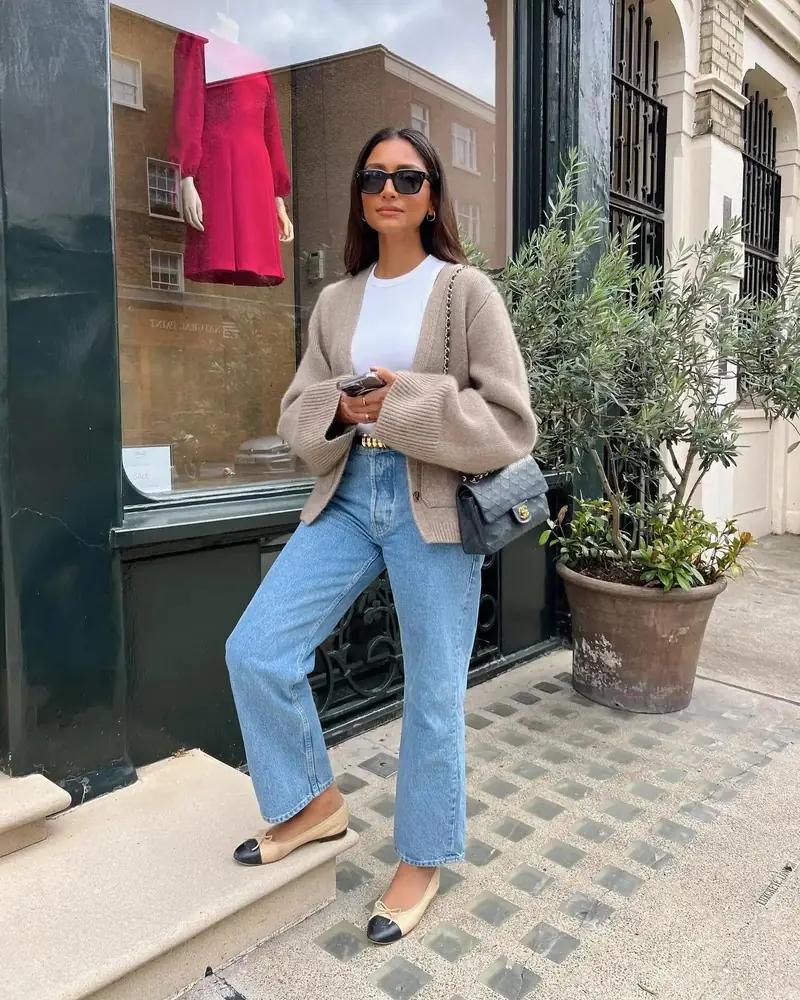
How to Put Outfits Together From Your Own Closet
How to put outfits together: a simple 3-piece formula, color and proportion rules, outfit ideas to copy, and how to style what's already in your closet.
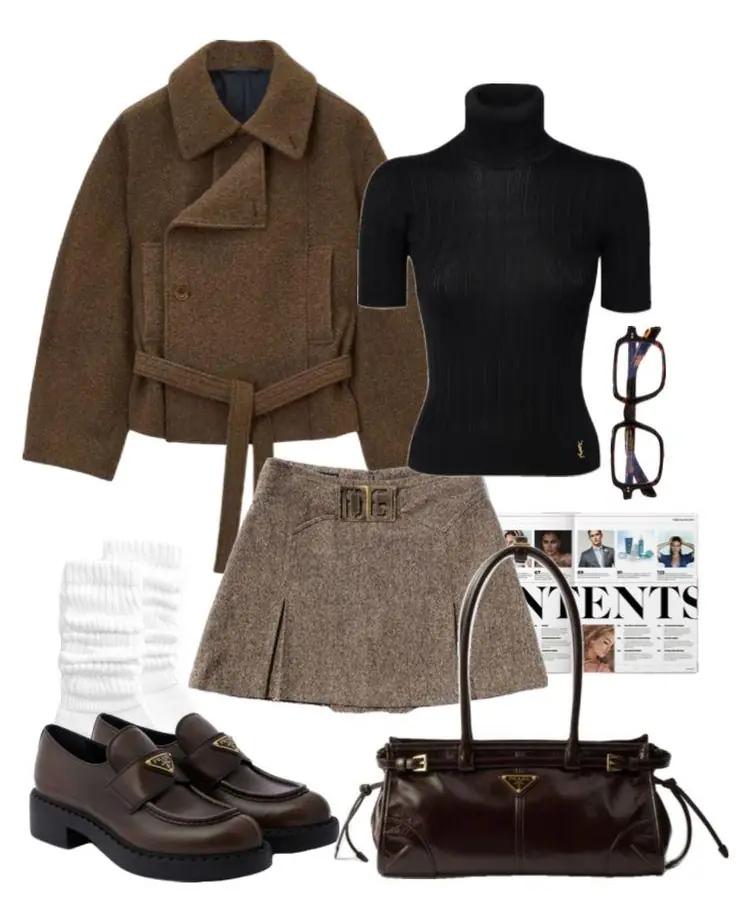
How to Use an AI Stylist: 20 Prompts That Work
Twenty copy-and-paste AI stylist prompts for work, dates, weddings, travel and everyday outfits, plus the details that get you an outfit you'll wear.
First Date Outfits: What to Wear for Every Kind of Date
The best first date outfit is one notch nicer than everyday and right for the place. Ideas for dinner, drinks, coffee and activity dates.