How to Find Your Personal Style: 7 Steps From Your Closet
To find your personal style, look at what you already wear and love, name the pattern in three words, then test and edit. Seven steps, plus a style quiz.
Atricent team8 min read
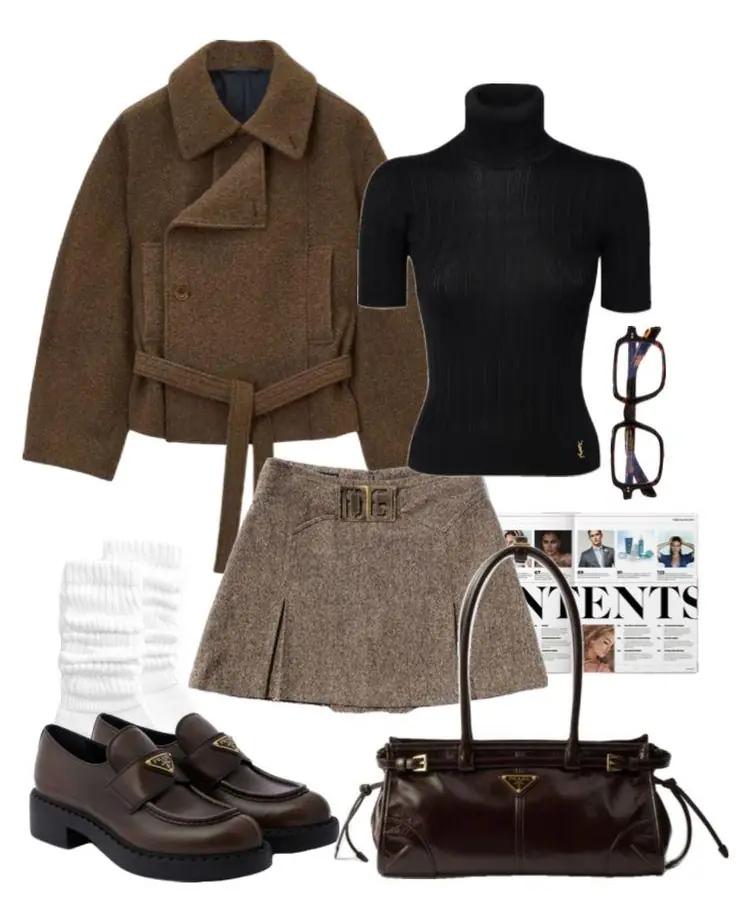
How do you find your personal style? Start with the clothes you already wear and love, spot what they have in common, and sum it up in three words. Then use those words to test new outfits, edit what you buy and drop what doesn't fit the picture. The fastest way to start: take Atricent's style quiz, add your clothes to Atricent and ask its AI stylist for outfits that match your style, made from what you already own. Below are seven steps, a few exercises, and how a style quiz can speed it up.
Personal style isn't a trend or a label someone gives you. It's the set of shapes, colors and details you choose again and again because they feel like you and suit your life. Most people already have one. It's just buried under impulse buys, gifts and clothes for a life they don't actually lead.
Step 1: Look at what you actually wear
Your closet already holds the best evidence. Over one or two weeks, note what you reach for, or pull out the 10 pieces you wear most and lay them on the bed.
Ask what they share:
- Fit: fitted, relaxed or oversized?
- Fabric: crisp cotton, soft knits, denim, leather, silk?
- Color: neutrals, one or two favorite colors, or lots of color?
- Detail: plain, printed, textured, embellished?
- Shape: structured pieces with clean lines, or soft pieces that drape?
Then look at the pieces you never wear. If a pile of tags is still attached, it tells you just as much: maybe the fabric itches, the cut never felt right, or the piece was for a version of you that doesn't go out much.
Step 2: Collect pictures, then look for patterns
Save 20 to 30 outfit pictures you love from anywhere: magazines, social media, people you see on the street, films. Don't overthink it at this stage.
Then sort them. Usually the same few things keep showing up: wide trousers, a lot of black, one bold accessory, a particular kind of shoe. Write down what repeats. Ignore the things that appear once, since a one-off is often a mood, not a style.
Compare this list to Step 1. Where your saved pictures and your real closet overlap, you're looking at your style. Where they don't, you've found either something to try or something that only works in photos.
Step 3: Pick three words
Turn the patterns into three words that describe how you want your clothes to feel or come across. Some examples:
- Relaxed, warm, practical
- Polished, simple, sharp
- Soft, romantic, pretty
- Bold, playful, colorful
- Minimal, dark, structured
Three words is enough to guide a decision and short enough to remember in a fitting room. If you're stuck, ask what compliment you'd most like to hear about an outfit, then work back from it.
If you'd like a framework, the seven style archetypes (Natural, Classic, Elegant, Romantic, Alluring, Creative and Dramatic) give you a vocabulary. Most people have one leading type and a second one that adds variety.
Step 4: Take a style quiz
A style quiz is a quick way to check your words against an outside view. Answer honestly about what you wear now, not what you wish you wore.
Atricent's style quiz gives you a style profile you can compare with your three words. Treat any result as a starting point, not a verdict: if part of it doesn't sound like you, keep the part that does.
Use Atricent to find your style
Atricent lets you run Steps 1 to 6 on your phone, with your own clothes.
- Take the style quiz. The style quiz gives you a style profile to compare with your three words.
- Add your clothes. Upload photos of your clothes, shoes and accessories, and the AI builds your digital wardrobe, so you can see everything you own at once.
- Ask the AI stylist. Try "a relaxed, polished outfit for Saturday" with the AI stylist, or let the AI outfit creator build combinations from your clothes and save the ones that feel like you.
- Preview new formulas. Use virtual try-on to see an outfit on a photo of you before you change how you dress.
It's free to start on iPhone, Android and the web. Get Atricent free and find your style in the clothes you already own.
Step 5: Find your formulas
An outfit formula is a combination you can repeat with different pieces. It's the most practical form your style takes, because it turns three words into something you can get dressed in on a busy morning.
A few examples:
- Relaxed and practical: straight jeans, a tucked tee, an overshirt, white sneakers
- Polished and simple: tailored trousers, a fine knit, loafers, a structured bag
- Soft and romantic: a midi skirt, a fitted cardigan, ballet flats, small gold earrings
- Bold and playful: one bright piece, everything else neutral, a fun shoe
- Minimal and dark: black wide-leg trousers, a black or gray knit, a long coat, sleek boots
Pick two or three formulas that fit your week. If you need more on how pieces work together, see how to put outfits together.
Signature pieces
Many people with a clear style have one or two things they're known for: a red lip, gold hoops, a vintage leather jacket, always loafers, a particular cut of jeans. You don't need one, but if a piece keeps showing up in Steps 1 and 2, lean into it.
Step 6: Test before you buy
Before you buy into a new look, try it with what you have. Wear one new formula for a week. Notice which outfits you felt good in all day and which you wanted to change by lunch.
When you do shop, run each piece past your three words. If it fits two or three of them and goes with at least three things you own, it's a good sign. If it fits none, it's probably a trend you admire on someone else.
A test outfit can also start from one piece you already own. Restyling it several ways (the idea behind one piece, seven outfits) shows quickly whether it belongs in your style or not.
Step 7: Edit your wardrobe
Once you know your words and formulas, the closet gets easier to edit:
- Keep pieces you wear and that fit your words.
- Rework pieces you like but don't wear: a tailor, a new pairing, or a different shoe can bring them back.
- Let go of pieces that fit none of your words and haven't been worn in a year. Sell, swap or donate them.
Then make a short list of gaps. These are the pieces that would complete your formulas, such as a neutral knit or a shoe that works with three outfits. A capsule wardrobe checklist can help you plan the basics.
Personal style for men
The steps are the same. Men often find their style faster by starting with fit and fabric rather than color: the cut of trousers you like, how you wear a shirt (tucked, untucked, buttoned to the top), and which shoes you reach for.
Three-word examples that work well for menswear: "clean, relaxed, navy," "rugged, practical, earthy," or "sharp, minimal, dark." Formulas might be dark jeans, an oxford shirt and suede boots, or chinos, a knit polo and loafers.
What to avoid
- Copying one person head to toe. Inspiration is useful, but their life, climate and budget aren't yours.
- Buying a whole new look in one go. Add one or two pieces, wear them, then decide.
- Choosing a style for a life you don't have. If you work from home and walk everywhere, a wardrobe of heels and silk won't get worn.
- Treating a quiz or archetype as a rule. It's a vocabulary, not a uniform.
- Following every trend. Pick up the trends that fit your words and skip the rest.
Personal style questions
Is there an app that helps you find your personal style?
Yes. Atricent's style quiz gives you a style profile, and its AI stylist and outfit creator then suggest outfits in that style from your own clothes. Get Atricent free to try it.
How long does it take to find your personal style?
There's no fixed time. Many people get a clear picture after a few weeks of paying attention to what they wear and save. It keeps changing slowly after that, which is normal.
Can you have more than one style?
Yes. Most people have a main style and a second one for certain settings, such as polished at work and relaxed at weekends. Your three words can stay the same while the formulas change by occasion.
What if my style doesn't match my body or age?
Style is about what you like and how you want to come across, not a set of rules by age or shape. If you want help with proportion and fit, our guide on how to dress for your body type covers it, but treat it as optional.
Do I need to buy new clothes to find my style?
No. Most of the work is noticing what you already have and wear. New pieces come later, to fill gaps you've actually found.
Is personal style the same as an aesthetic?
Not quite. An aesthetic, such as quiet luxury or cottagecore, is usually a trend with a set look. Personal style is broader and lasts longer, and can borrow from several aesthetics.
Find your style in your own clothes
The fastest way to see your style is to see your whole wardrobe at once. Photograph your clothes, shoes and accessories into Atricent, an AI stylist and digital wardrobe app, and it sorts them into a digital wardrobe for you. Take the style quiz, let the AI outfit creator build combinations from what you own, and save the outfits that feel most like you. Atricent works on iPhone, Android and the web, and more than a million people already use it. Get Atricent free and start with the quiz today.
 Get Atricent free
Next read
All articles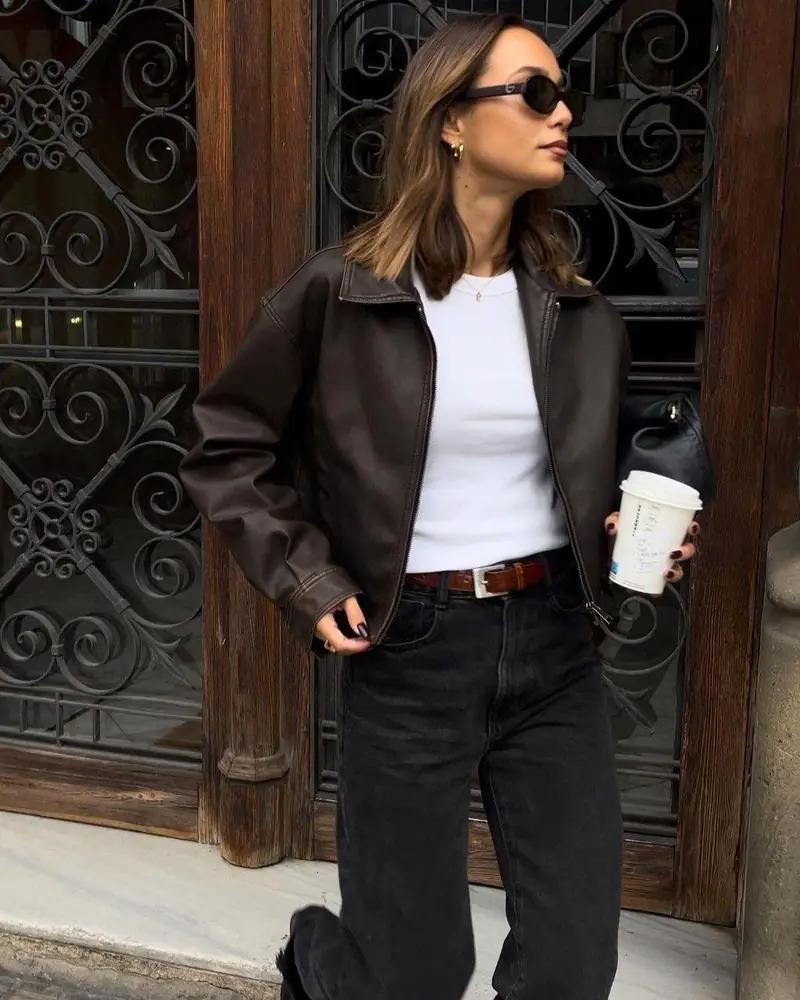
Style Archetypes: The 7 Types, With Outfits and Brands
The 7 style archetypes are Natural, Classic, Elegant, Romantic, Alluring, Creative and Dramatic. Key pieces and an outfit for each, plus how to find yours.
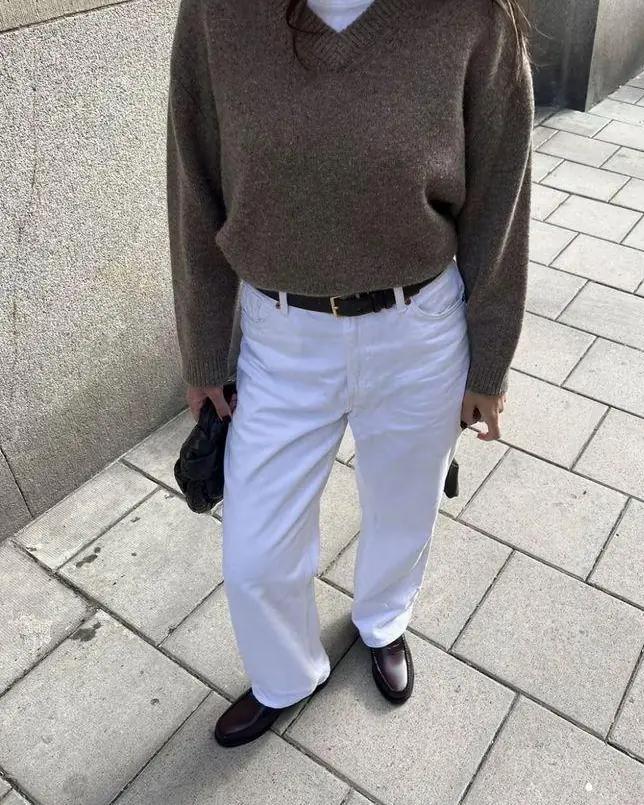
How to Dress for Your Body Type: A Guide to Proportion and Fit
Dressing for your body type comes down to fit, proportion and what you want to highlight. Optional shape guides for women and men.
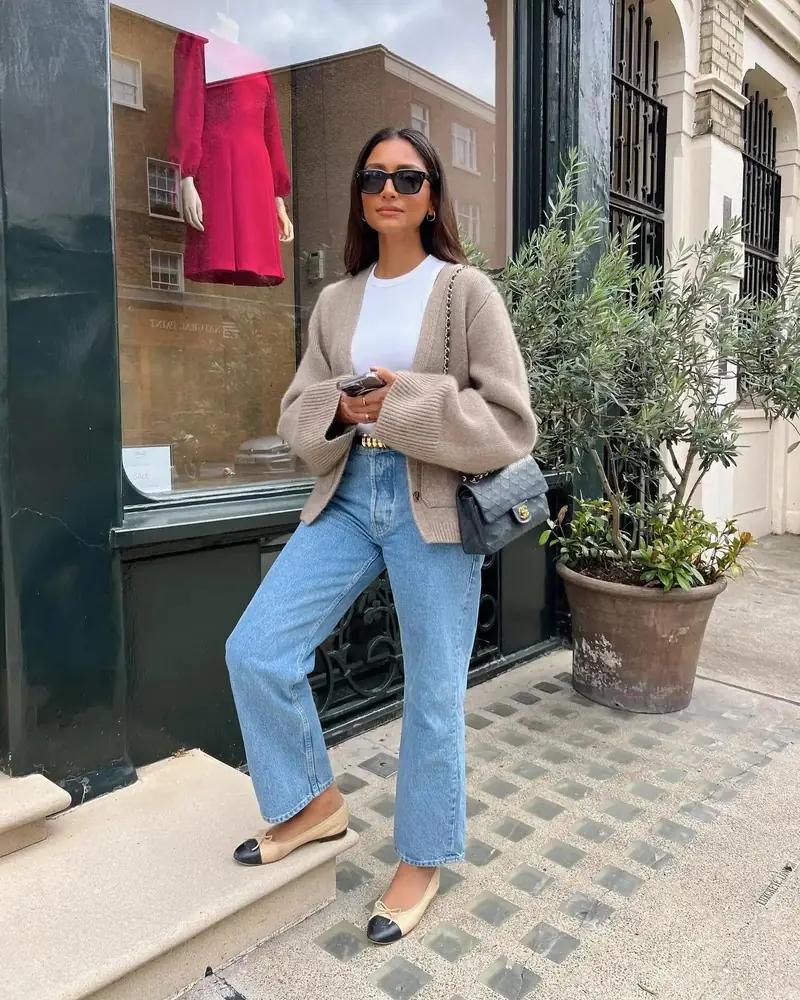
How to Put Outfits Together From Your Own Closet
How to put outfits together: a simple 3-piece formula, color and proportion rules, outfit ideas to copy, and how to style what's already in your closet.